
Environmental Conservation Activities in Thailand (SSWT)
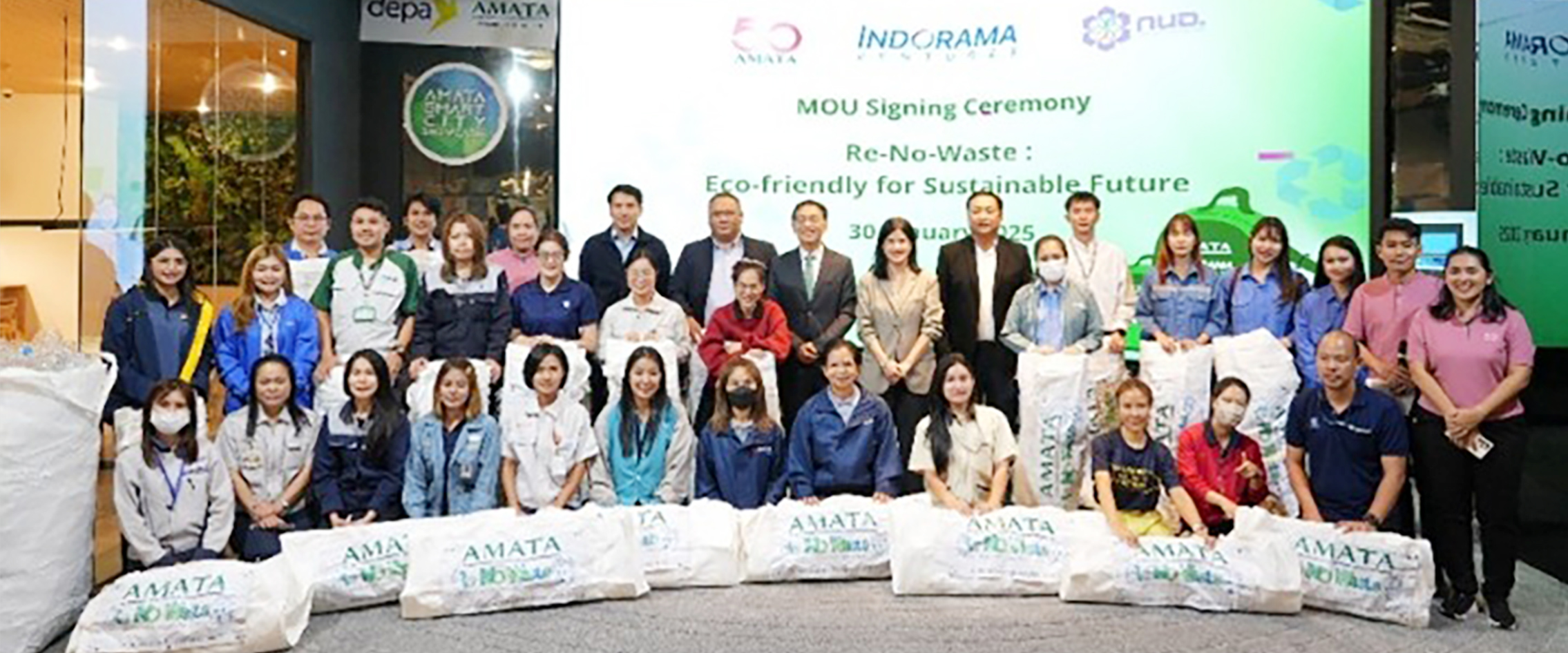
Sumiden Steel Wire (Thailand) Co., Ltd. (hereinafter “SSWT”), which manufactures and sells steel cords for tire reinforcement within our group, is located in the Amata City Industrial Estate in Rayong Province, southeast of Bangkok, Thailand. At SSWT, to help preserve the environment within the industrial estate, we work jointly with the Industrial Estate Authority of Thailand (hereinafter “IEAT”) to carry out activities such as recycling discarded PET bottles, reusing waste wire covers and discarded cloth bags, and planting trees and releasing aquatic animals. Going forward, we will continue to promote initiatives that contribute to surrounding communities while collaborating with the industrial estate and other companies.
SSWT CSR Promotion Structure
The Amata City Industrial Estate where SSWT is located is an area rich in nature and has long been home to many residents. For this reason, corporate activities are also expected to take into account environmental conservation and the well-being of local communities. At SSWT, we have established a department in charge of safety and the environment, and we set a target of carrying out 5 to 10 CSR activities per year. We create an annual schedule and drive these activities forward. The content of each activity is determined based on requests from the surrounding areas and the initiatives promoted by IEAT.
Recycling Activities for Discarded PET Bottles
Along with a group of companies within the industrial estate, SSWT works in collaboration with IEAT to promote the sorting and collection of discarded PET bottles and the recycling project “AMATA Re-No-Waste.” In the fiscal year 2025, SSWT presented a total of 1,193 school bags made from discarded PET bottles to five local primary schools* around the industrial estate. From January through May 2025, SSWT sorted and collected a total of 83 kg of plastic bottles and donated them. Through this initiative, SSWT not only promoted and established waste sorting practices within the company but also reduced internal waste. In addition, by providing school supplies to schools around the industrial estate, the company contributed to expanding educational opportunities.
*Ban Phu Sai School, Nikhom Sangtoneng Rayong 9 School, Ban Nong Rakam School, Ban Mab Yang Phon School, and Ban Map Toei School
-
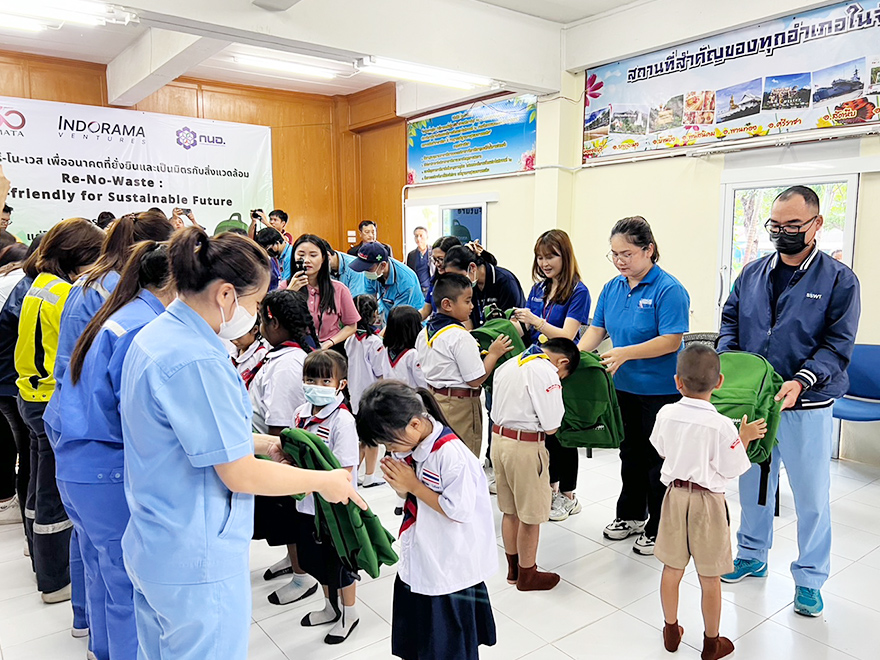
Scenes of the School Bag Presentation
-
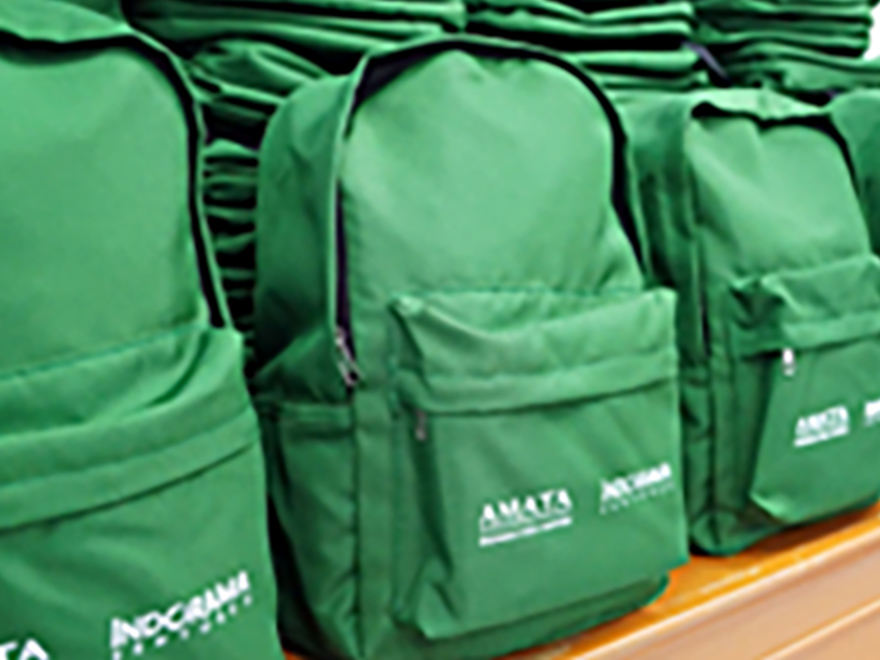
School Bags Made from PET Bottles
Reuse of Discarded Wire Covers, Discarded Cloth Bags, and Paper Bags
Based on a circular economy approach, SSWT launched the “Smile Growing Bags Project” in April 2025 as part of its waste reduction efforts. In response to requests from local residents for “bags for vegetable seedlings,” this initiative collects waste plastics—such as discarded wire covers—to create and distribute seedling bags. From May 2025 to January 2026, we distributed a total of 458 bags at three events organized by IEAT. In December 2025, we also distributed a total of 500 bags at an event organized by the Rayong Provincial Department of Natural Resources and Environment. Through these activities, SSWT is advancing its waste reduction efforts while contributing to the regional community.
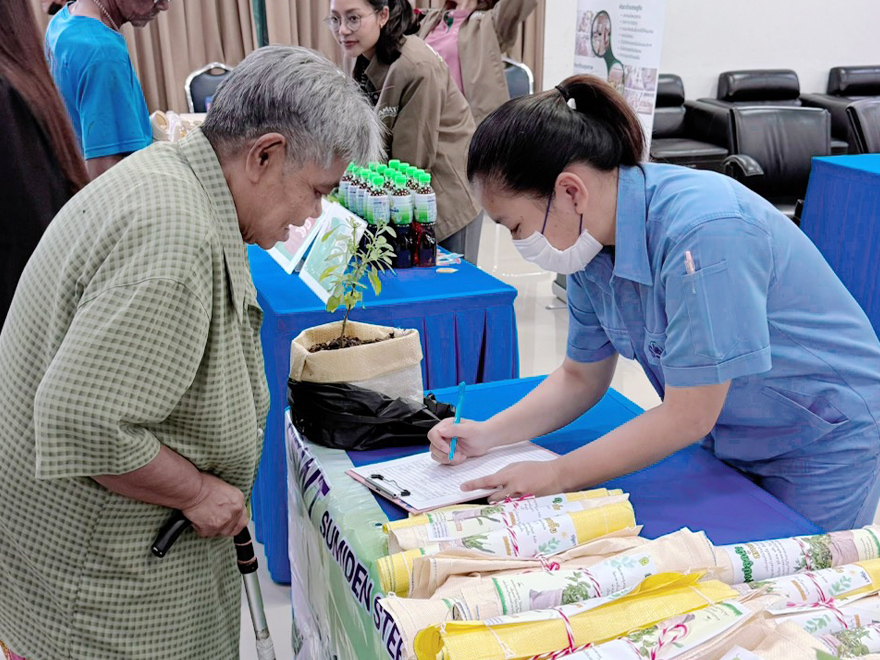
Scenes of the Distribution of Seedling-Growing Bags
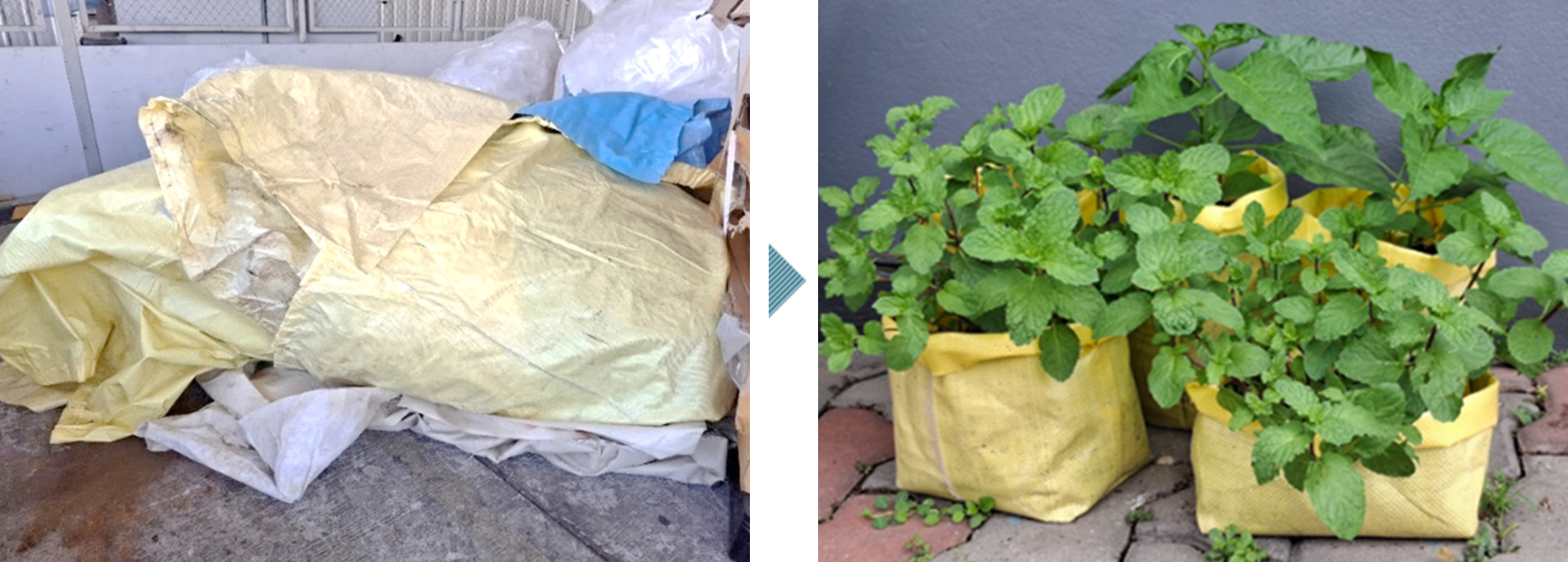
Reuse from Discarded Plastics into Seedling-Growing Bags
As part of a similar initiative, from April 2025 to March 2026, we donated a total of 1,483 cloth and paper bags—collected from SSWT employees—to three hospitals near the industrial estate. These bags were provided as reusable shopping bags for patients to carry home their medications and clothing. The goal of this initiative is to reduce single-use plastic by reusing the bags and thereby contribute to efforts to combat global warming.
Waste reduction is also an important issue within the Bio-Circular-Green (BCG) economy, which the Thai government has positioned as a national strategy. Going forward, we will continue to implement these efforts while confirming local needs in the surrounding areas.
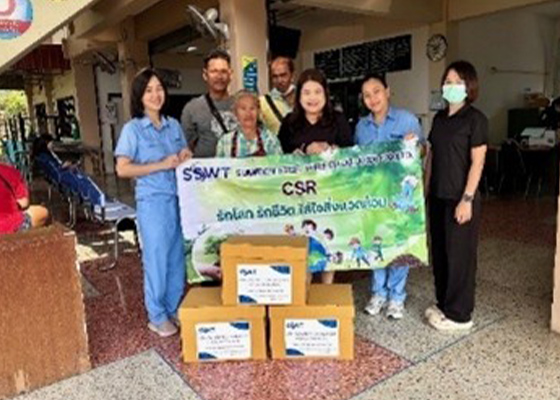
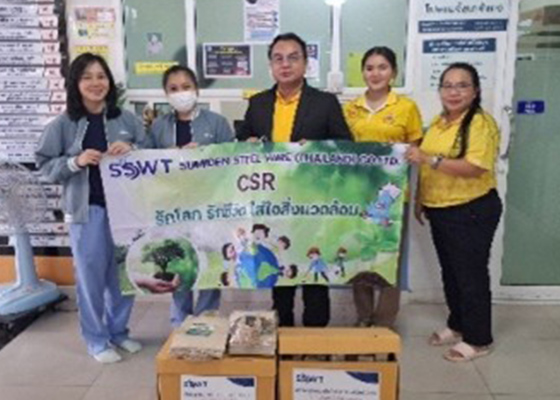
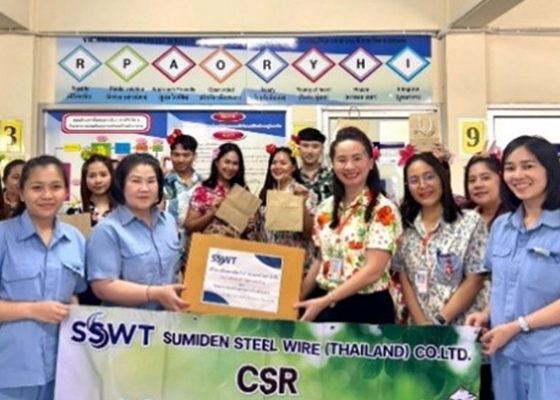
Scenes of the Donation to Hospitals
Activities to Protect the Environment Around the Industrial Estate
At SSWT, we are working to create green spaces around the industrial estate and to restore and maintain a sustainable ecosystem by dispatching employee volunteers to participate in tree planting activities. In June 2025, a green space expansion and environmental conservation project was carried out to commemorate the birthday of Queen Sida of Thailand. More than 420 employee volunteers from 52 companies within the industrial estate planted a total of 1,000 auspicious plants—including queen’s flowers, tamarinds, black plums, and bulletwood—on the industrial estate grounds. Seven employees from SSWT participated, contributing to the creation of a comfortable environment for residents while increasing greenhouse gas absorption through the tree-planting activity.
In August 2025, the IEAT and the Bang Lamung Forest Protection and Development carried out the “Project to Expand Green Spaces Around the Industrial Estate.” More than 350 people—including employees of companies based in the industrial estate and local residents—planted a total of 1,000 native trees in the Bang Lamung National Reserved Forest, located west of the industrial estate. Eight employees from SSWT participated in the effort to restore the local forest.
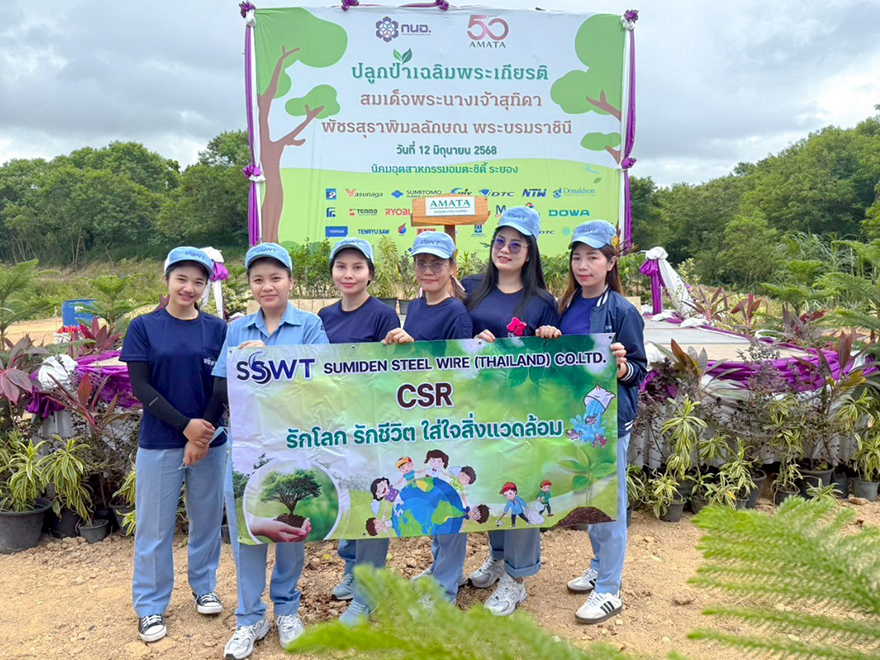
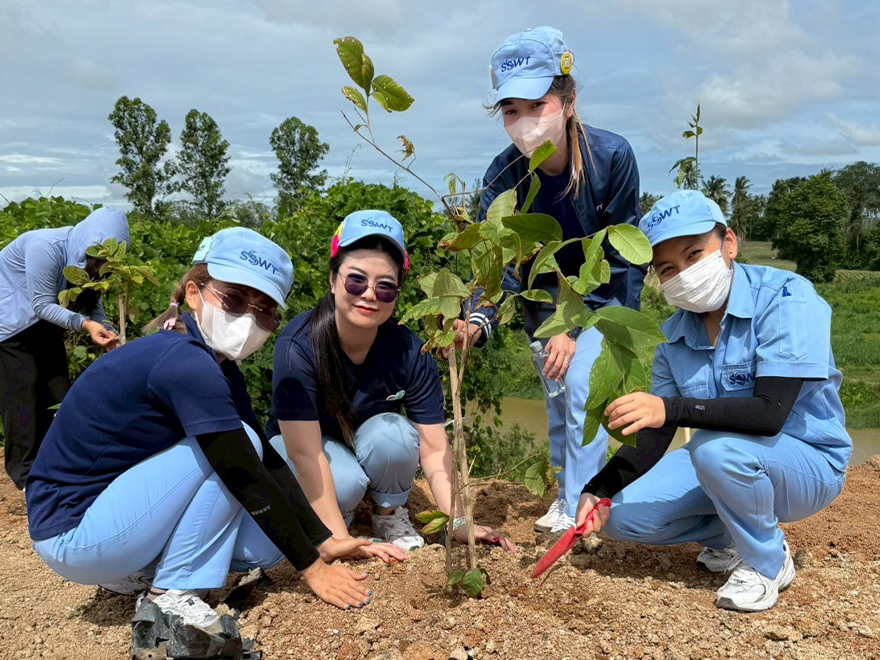
Scenes of the Tree-Planting Activities
In July 2025, eight SSWT staff members participated in an aquatic organism release activity aimed at assessing the environmental conditions of a reservoir within the industrial estate. This initiative was carried out in cooperation with the operating company of the Amata City Industrial Estate, the Dock Klai Reservoir Fisheries Resource Management Group, the Rayong Provincial Fisheries Department, and the Panani Kom Subdistrict Administrative Organization. More than 430 people participated, including employee volunteers from over 45 companies within the industrial estate and local residents, and a total of 600,000 fish and shrimp were released into the Dock Klai Reservoir. By maintaining an environment where the released aquatic organisms can thrive, the initiative contributes to the sustainable conservation of water resources while also promoting biodiversity.
Going forward, SSWT will continue to work in collaboration with IEAT, which promotes sustainable development, to help build a safe community with environmental consideration.
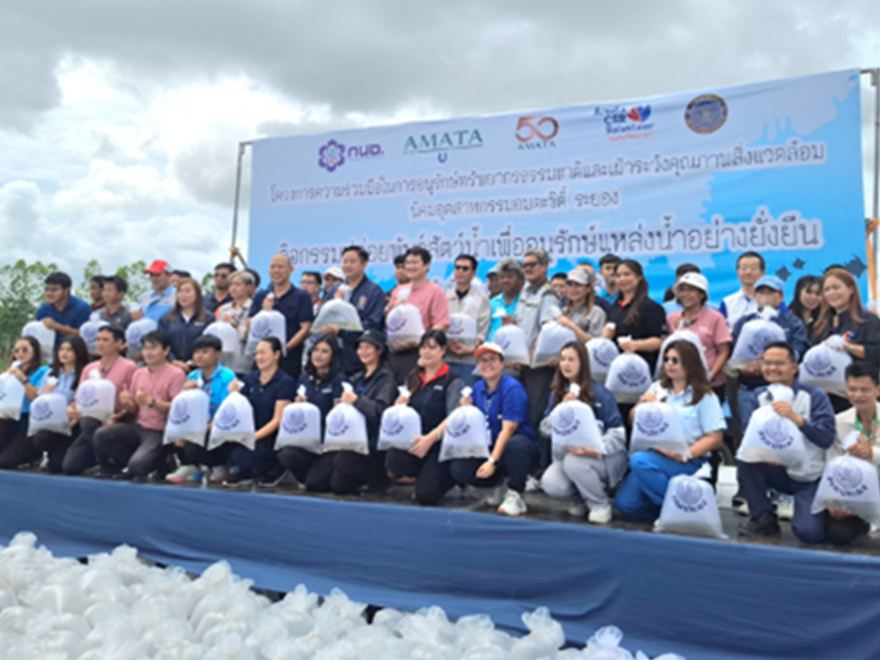
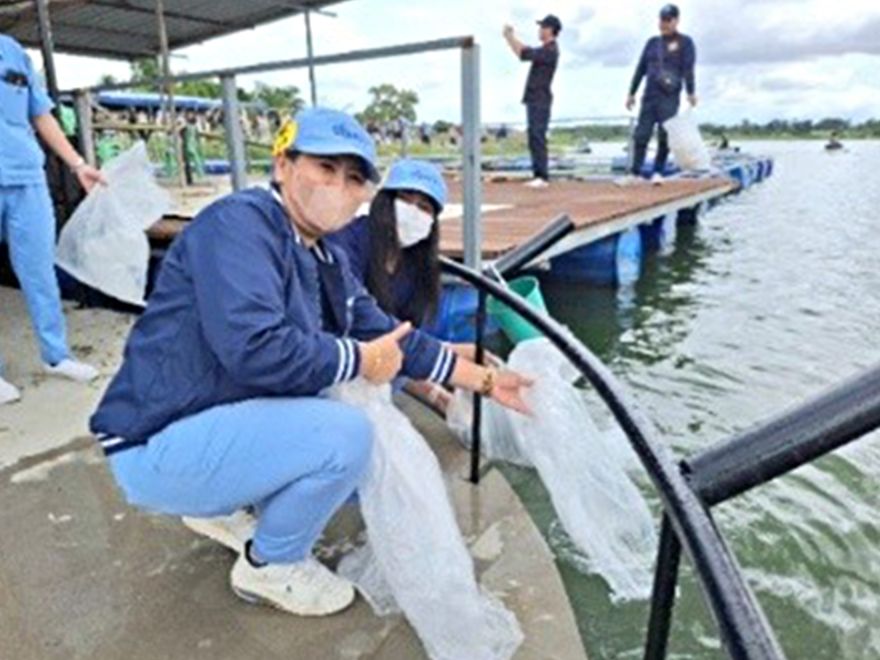
Scenes of the Aquatic Animal Release Activity
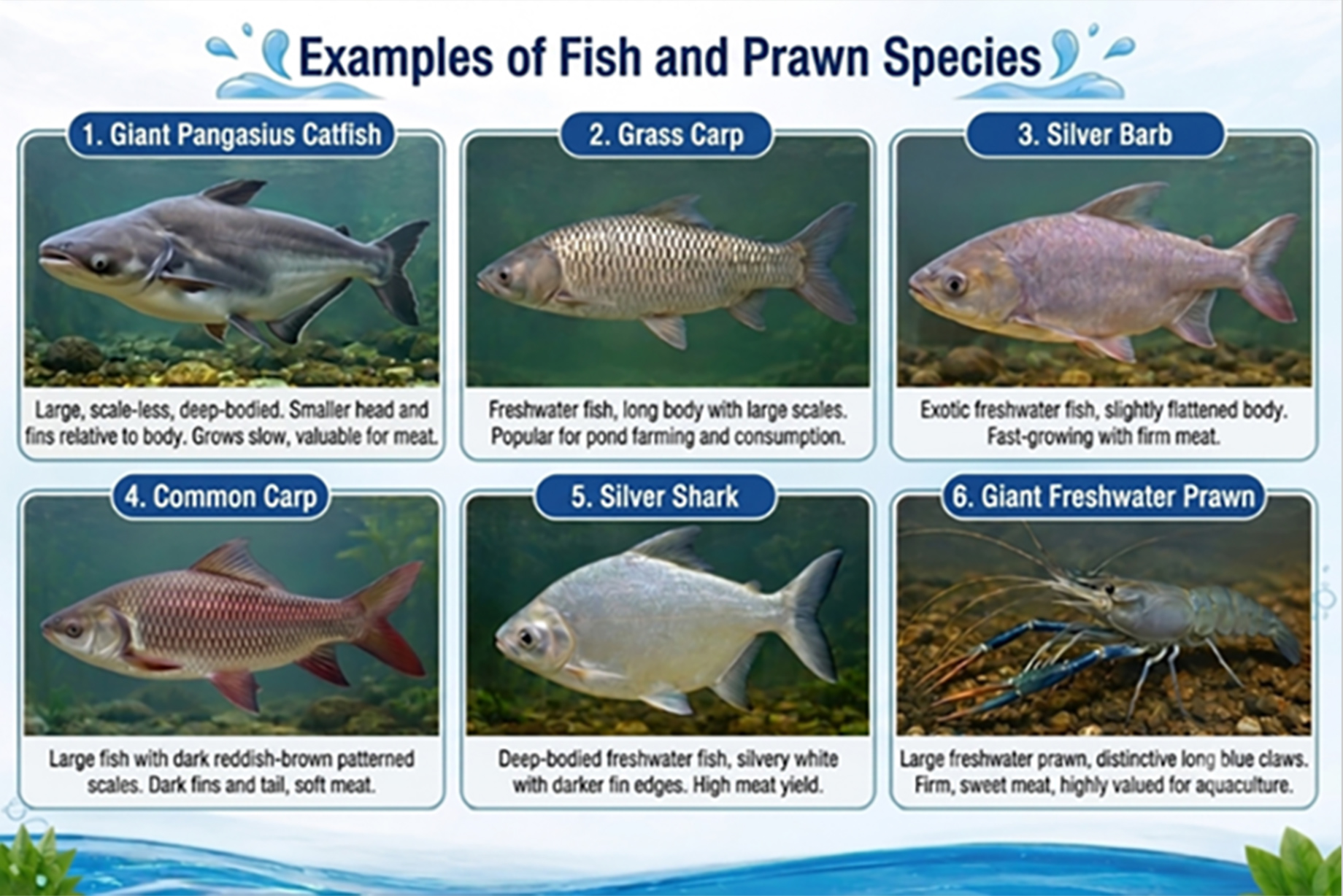
Examples of Fish and Prawn Species Released